Learner Advice for Your Next Driving Lesson
Navigate the Road: Top Driver Training Courses and Training for Novice Drivers
Managing the journey of becoming a skilled driver can be overwhelming for new learners. Picking the right driving class is important, as it influences the foundation of their driving experience. Numerous options exist, from individual sessions to online courses. Each offers distinct benefits tailored to individual requirements. Recognizing what to expect in early lessons and fundamental skills is important. However, the true question remains: how can new drivers guarantee they are truly equipped for the road to come?
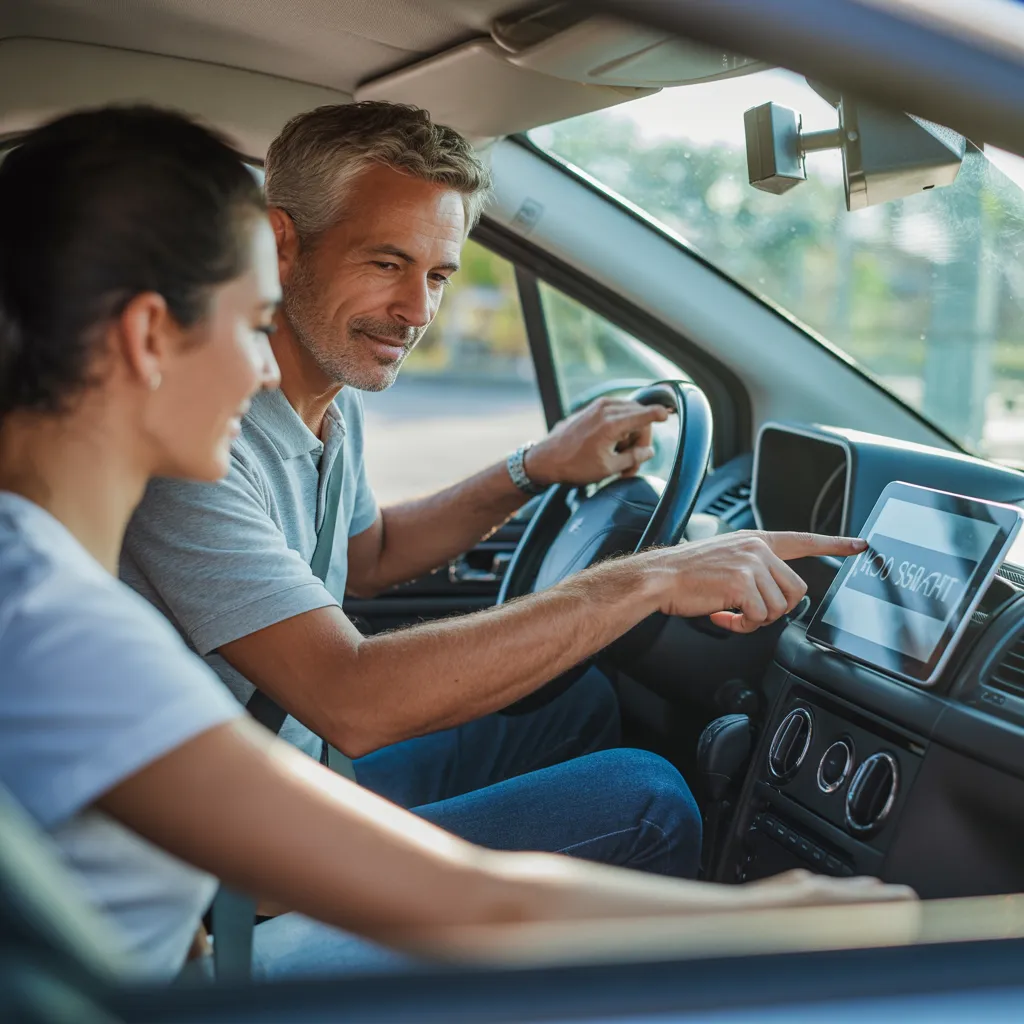
How to Select the Best Driving Class for Your Requirements
How does one determine the best driving program to meet specific needs? Finding the ideal driving course involves evaluating personal needs, such as previous knowledge, learning style, and availability. Those new to driving should consider whether they prefer in-person or online instruction, as well as the flexibility of scheduling classes. In addition, assessing the credibility of driving institutions through testimonials and word-of-mouth can help gauge their quality.
Financial planning is another key aspect, as understanding the fees associated with different programs guarantees the decision fits within budgetary limitations. Moreover, aspiring drivers should ask about the qualifications of instructors, as skilled instructors can significantly improve the training process. Finally, potential drivers should identify any specific skills they want to focus on, such as highway navigation or defensive driving. By systematically analyzing these elements, individuals can make an informed decision that matches their personal driving goals and circumstances.
What Are the Different Types of Driving Lessons?
While considering the numerous forms of driving instruction available, beginner drivers can select from private driving lessons, group classes, or online courses. Every choice provides distinct benefits depending on individual learning preferences and schedules. Understanding these differences is essential for selecting the most suitable approach to mastering driving skills.
Private Driving Lessons
Many new drivers seek one-on-one driving instruction to develop their driving skills and self-assurance. This type of instruction usually delivers one-on-one instruction, allowing for personalized learning experiences tailored to each individual's needs. Driving coaches regularly modify their training techniques based on the learner's pace, addressing specific areas of concern, such as parallel parking or highway driving.
Private lessons are available in different length, regularity, and difficulty, making them suitable for those who prefer a flexible schedule or require intensive practice before their road exam. Moreover, certain driving academies provide specialized lessons, such as advanced safety driving or preparation for specific licensing exams. Overall, private driving lessons act as an important asset for novice drivers seeking to develop their motoring abilities and safety awareness.
Group Driver Training
What alternatives exist for new drivers considering group driving classes? Group driving classes provide a cooperative setting where several students are taught at the same time. These classes typically include classroom sessions that cover traffic laws, safety protocols, and vehicle operation. Participants then engage in practical driving sessions under the supervision of a licensed instructor.
Group classes come in a variety of formats, from community-based programs to driving school offerings. Certain classes may target specific groups, such as teenagers or seniors, while others may cater to beginners of all ages. These classes not only provide essential driving skills but also cultivate a spirit of camaraderie between attendees, enriching the educational journey for all involved.
Online Driving Courses
Even as in-person driving classes stay in demand, online driving courses Driving School are now recognized as a practical option for new drivers seeking to learn essential skills. These courses typically cover a broad selection of topics, including road regulations, defensive driving methods, and risk identification. Offered in multiple formats, they often include recorded lessons, practice assessments, and supplemental resources. Some programs even offer live instructor support, allowing students to ask questions in real time. Additionally, online courses can be tailored to fit individual schedules, making them a great fit for learners with limited availability. While they may lack the hands-on experience of in-car lessons, many online courses complement practical driving sessions, providing a thorough approach to driver education. This adaptability makes them an appealing option for many new drivers.
What to Expect in Your First Driving Lesson
During a beginner driver's initial lesson, the teacher commonly covers the vehicle's controls and outlines essential safety guidelines. This essential overview enables students to appreciate the value of safe driving practices. Once they commence their practical exercises, students should anticipate working on fundamental driving techniques and traffic awareness.
Opening Lesson Breakdown
Curious about what to expect from your first driving lesson? First-time drivers will find a well-organized introduction to the vehicle and fundamental driving principles. Typically, the instructor will begin with a short introduction, covering the vehicle's controls and safety elements. New drivers will discover how to adjust mirrors, fasten seatbelts, and understand dashboard indicators. The lesson usually involves a emphasis on essential skills such as starting the engine, steering, and braking. Driving coaches regularly stress the importance of maintaining attention and following road signs. By the end of the session, students may practice driving in a safe, open area, gradually building their confidence. Essentially, the first class acts as a fundamental stepping stone, created to gently guide novices into the driving experience.
Essential Safety Guidelines
Following the first lesson covering vehicle familiarization and fundamental maneuvers, novice drivers should familiarize themselves with critical safety guidelines to promote a secure time on the road. To begin with, they should always fasten their seatbelts and ensure every passenger follows suit. Understanding the vehicle's controls, including headlights, wipers, and turn signals, is vital for effective communication on the road. Preserving an adequate following distance is key to avoiding collisions, and adhering to speed limits significantly improves driving safety. Beginning drivers are encouraged to stay focused on the road, refraining from using distracting devices such as mobile phones. Furthermore, employing defensive driving methods—identifying potential risks ahead of time and staying prepared to act—will meaningfully enhance their overall driving safety. Following these guidelines guarantees a solid foundation for responsible driving habits.
Fundamental Skills Every New Driver Needs to Master
Acquiring core driving skills is vital for new drivers as they manage the challenges of driving. First and foremost, new drivers must build competence in steering, braking, and accelerating smoothly to maintain control. Comprehending road signs and signals is also essential, as it secures conformity with driving rules. New drivers should also learn to execute proper lane changes and merging techniques, which are essential for driving safely.
Moreover, parking abilities, which include parallel parking and maneuvering in tight spaces, develop overall driving competence. Defensive driving techniques play an important role in foreseeing dangers and responding correctly to other drivers. Novice drivers ought to also gain familiarity with the operational controls and features of their vehicle, encompassing headlights, wipers, and emergency warning signals.
Ultimately, honing these competencies instills confidence, allowing new drivers to make sound decisions and enhance overall road safety. Emphasizing these competencies sets a solid foundation for lifelong responsible driving habits.
Online vs. In-Person Driving Lessons Compared
As new drivers explore their options for learning, the decision between online and in-person driving lessons becomes a crucial decision. Online driving lessons offer flexibility, allowing students to learn at their own pace and convenience. These courses often include multimedia content, interactive exercises, and evaluations that cater to different learning styles. However, the lack of real-time feedback and hands-on experience may limit the progress of some drivers.
On the other hand, hands-on driving lessons offer direct interaction with instructors, enabling instant feedback and tailored guidance. This hands-on approach can strengthen fundamental skills with greater efficiency, as students train under real-world driving circumstances. Furthermore, hands-on lessons encourage a greater sense of responsibility and commitment.
In the end, the decision relies on personal educational preferences, timetables, and confidence levels. A blended strategy, integrating both online theory and practical in-person training, is likely to deliver a comprehensive option for most beginner drivers, ensuring a thorough knowledge of core driving principles.
Key Techniques for Building Confidence While Driving
Developing self-assurance behind the wheel is an essential aspect of developing strong driving abilities, especially for new drivers who have just finished their training. A highly beneficial approach is to practice regularly in a variety of environments, including congested city roads, open highways, and peaceful suburban streets. This broad practice enables novice drivers to grow comfortable with a range of driving scenarios. A further valuable approach is to set achievable goals, such as mastering parallel parking or maneuvering roundabouts, which can enhance their sense of accomplishment.
In addition, practicing with an encouraging companion or loved one can supply positive reinforcement and practical advice, which helps reduce nervousness. Learning about vehicle controls and safety features is equally important for new drivers, promoting a greater familiarity with their automobile. To conclude, keeping an optimistic attitude and picturing successful drives can significantly boost self-assurance. Taken together, these approaches form a sturdy framework for beginning drivers, helping them to navigate the road with more certainty.
Getting Ready for Your Driving Test: Keys to Success
While the prospect of taking a driving test can be intimidating, proper preparation can greatly enhance a new driver's chances of success. First, reviewing the driving handbook is essential, as it provides essential guidance on road signs, rules, and driving regulations. Scheduling practice sessions with a qualified instructor can help refine essential skills, such as merging into traffic and parallel parking. Additionally, new drivers should familiarize themselves with the testing route, where available, so as to ease nervousness on the day of the exam.
One other crucial element is practicing defensive driving techniques, which can make a strong impression on examiners. On the day of the test, it's recommended to get there ahead of time, ensuring ample time to relax and focus. Maintaining a calm demeanor throughout the test is essential; feeling stressed can cause unnecessary slip-ups. Finally, demonstrating confidence and clear communication with the examiner can make a lasting good impression, further contributing to a successful driving test outcome.

Frequently Asked Questions
How Much Do Driving Classes Typically Cost?
Driver education courses generally range between $50 to $150 per session, varying by the school and region. Package deals may offer discounts, while additional fees for materials or licenses can increase the overall expense.
Can I Take Driving Lessons if I'm Under 18?
Yes, teens under 18 may participate in driving lessons. Most driving schools have programs especially designed for teens, often including a mix of in-class learning and hands-on driving experience to guarantee well-rounded development and road safety knowledge.
What Items Should I Bring to My Driving Lessons?
A learner needs to have a current learner's permit, a notepad for taking notes, comfortable and suitable clothing, and any needed paperwork. Moreover, bringing a writing utensil, hydration, and light snacks can enhance the overall driving lesson experience.
Can You Get Discounts for Group Lessons?
A number of driving academies extend special pricing for group instruction, prompting friends and relatives to train together. These savings will differ, so it's advisable for people to inquire directly with the chosen driving academy for further information.
How Long Does It Take to Complete Driving Lessons?
Typically, completing driving lessons takes around 4 to 6 weeks, subject to the individual's availability and the frequency of lessons each week. Elements like previous experience and the speed of learning can also affect this timeframe.